
Wow, this wallet surprised me early on.
I installed the extension and scanned the interface quickly. The layout felt familiar but had small thoughtful twists. Honestly, my first impression was cautious optimism. Over the next few days I pushed it through swaps, chain switches, and dApp interactions to see how stable and safe it actually behaved under real conditions.
Whoa, the permissions UI grabbed my attention fast. It made me pause before connecting to unknown sites. Something felt off about how other wallets ask for wide access. My instinct said “be careful” and I liked seeing granular controls instead of blanket approvals.
Really? The transaction simulation blew me away. It shows internal calls and token approvals before I hit confirm. That single feature saved me from a weird approval that would have let a contract drain tokens. Initially I thought that was overkill, but then realized it was exactly the kind of protection missing elsewhere.
Hmm… the UX is not perfect though. There are little bits that feel amateur, like tiny alignment quirks and a modal that sometimes flickers. I’m biased, but I value security more than polish. Still, polish matters when you’re onboarding newbies.
Here’s the thing. Multi-chain support can get sloppy if not handled carefully. Rabby separates asset views by chain and keeps network switching explicit, which reduces accidental sends. That pattern matters when you juggle L2s and EVM chains day to day.
Okay, here’s another observation—hardware integration is solid. I paired a Ledger and the flow was straightforward. The signatures looked clean and I didn’t need to jump through hoops. For me that meant a real reduction in anxiety when transacting big amounts.
Seriously, the nonce manager is a big win. It helped me rescue a stuck transaction by setting a replacement with higher gas. That feature alone saved a few headaches when mempools got funky. On one hand it’s a power tool for advanced users, though actually it’s accessible for intermediate folks too.
Wow, the gas controls feel thoughtful. You can preview estimated confirmation times and choose between prompt and conservative options. It avoids surprise fees by showing layered estimates. Long gone are the days of blindly accepting a default gas price that kills your ROI on small trades.
Wow, I said wow again.
My first quick tests included swaps on a DEX and a cross-chain bridge hop. The wallet handled all of that without freezing or asking me to reset accounts. At times I tested weird token approvals to see how it alerted me. It flagged obscure spender addresses and asked for confirmation in plain language, which matters a lot.
Actually, wait—let me rephrase that: the warnings are good, but sometimes the language could be clearer for newcomers. It will say “token allowance” which is standard, but some folks will need an extra sentence to explain risk. A small tooltip would help, and honestly that part bugs me.
Whoa, the privacy posture is worth a shoutout. It minimizes on-chain leaks by not gratuitously broadcasting addresses and by compartmentalizing sessions. There are still tradeoffs with browser storage (as with any extension), but the devs seem to consider leak vectors intentionally.
Initially I thought browser extension wallets were all about convenience, and that was it. But then I realized they can be a strong first line of defense when thoughtfully designed. On the other hand, browser-based wallets always carry extra attack surface versus hardware-only flows, though actually that risk is manageable with good hygiene.
Wow, here’s a small nit: sometimes the extension updates and the popup zips closed mid-flow. Annoying, not disastrous, but it interrupted a big swap once. I made a mental note to save drafts of transaction notes (yes, I’m that cautious). Little glitches like that are human, not critical.
My dev friends appreciate the open-source bits. You can inspect source code and reproduction steps for certain issues, which helps when troubleshooting. The community replies on GitHub and forum threads are often helpful and timely. I’m not 100% sure every module is audited thoroughly, but the process seems earnest.
Really? There are nice power features hidden in settings. You can whitelist certain dApps per account, lock inactivity, and enable experimental RPCs for testing. Those options let you shape the wallet to your workflow rather than the other way around. It’s flexible without overwhelming you at first glance.
Something felt off about initial account naming, so I renamed my accounts quickly. That small action made switching between mainnet and L2s way less error-prone for me. Tiny UX decisions like naming and color tags matter more than we admit when juggling many addresses.
Whoa, performance is snappy on my setup. No heavy lags, no hogging CPU while idle. That helped when I had multiple tabs open and was testing dApp integrations. Browser extensions can slow browsers; this one stayed light.
I’ll be honest—I wanted more automated phishing detection built into the extension itself. There are warnings, but I still keep a separate URL whitelist extension for major caution. I’m probably overprotective, but phishing remains a major risk for browser wallets and I expect continuous improvement here.
Okay, so check this out—the portfolio view aggregates tokens and shows historical balances across networks. That made it easier to reconcile my positions without jumping between explorers. I liked that it felt like a consolidated dashboard rather than a fragmented list.
My instinct said “this is usable for everyday DeFi.” Then I tried a complex contract interaction and learned some caveats. Transactions that invoke multiple internal calls can show confusing gas estimation. The wallet attempts to simulate but sometimes underestimates if the contract path is exotic.
Hmm… the transaction preview exposes internal call traces for advanced users. That transparency is rare and useful for audits of what a dApp will do with your approval. For novices those traces might be noise, but for power users they are gold.
Wow, the community feedback loop seems real. People post issues and the team responds with fixes and clarifying UX changes. You can tell they’re listening, which increases my confidence in long-term viability. Projects that ignore user signals usually fade fast in crypto.
Here’s the rub: browser extension security depends on the machine. If your OS is compromised, no wallet extension can fully protect funds. So use hardware signers, good OS hygiene, and be careful with browser extensions. It’s basic, but very very important.
Seriously? I almost forgot to mention recovery flow. Seed phrase backup is straightforward, and the onboarding nudges you to copy it offline. There are optional encrypted backups, which I like for convenience but I treat them skeptically and rarely use cloud backups for keys.
Something else—account abstraction workflows are supported experimentally. That opens up gas-less meta transactions and paymaster flows for user onboarding in some dApps. It’s early but promising. I’m not 100% sold on every implementation yet, but it’s a glimpse of better UX ahead.
Wow, little things add up, like copy-to-clipboard protection and click-to-reveal seed phrase timing. Those minor UX choices reduce accidental exposures when someone glimpses your screen. Privacy details like that show the team is thinking about real user behavior.
Initially I thought I could rely solely on intuitive UI polish. But then I realized deep features make the difference between hobby use and professional workflows. I adjusted my assessment and started recommending the extension to fellow traders with advanced needs.
Hmm… I’m still cautious about recommending any single tool universally. Different users want different tradeoffs: simplicity vs control, polish vs transparency. On one hand Rabby aims to balance those factors, though it won’t be perfect for every user.
Whoa, if you want to try it yourself, there’s a straightforward download and setup path. I walked a friend through it on a Zoom call and she was able to set up a hardware pairing and connect to a DEX within ten minutes. That felt like a win for mainstream usability.
Okay, some practical tips from my sandboxing tests: keep separate browser profiles for cold storage access, pin the extension for quick checks, and audit dApp permissions monthly. These habits reduce risk and make daily management easier.
Here’s what bugs me about the onboarding tutorial—it’s brief, and some intermediate features are hidden too deep in settings. A guided “power user mode” tour would help bridge that gap. Still, most users get the basics quickly.
Wow, the support articles are decent. They cover common failure modes and show step-by-step recovery for stuck transactions. That documentation saved me a couple of aggravating hours when I chased a weird nonce issue.
I’ll be honest, I’m biased toward projects that iterate openly and respond to users. Rabby feels like one of those. I don’t claim it’s the one true wallet for everyone, but it’s a strong candidate for anyone wanting more control in a browser extension without sacrificing convenience.
Okay, final quick checklist before you try it: backup seed safely, consider a hardware signer for main funds, review dApp permissions, and keep your browser lean. Those steps reduce most common attack vectors effectively.
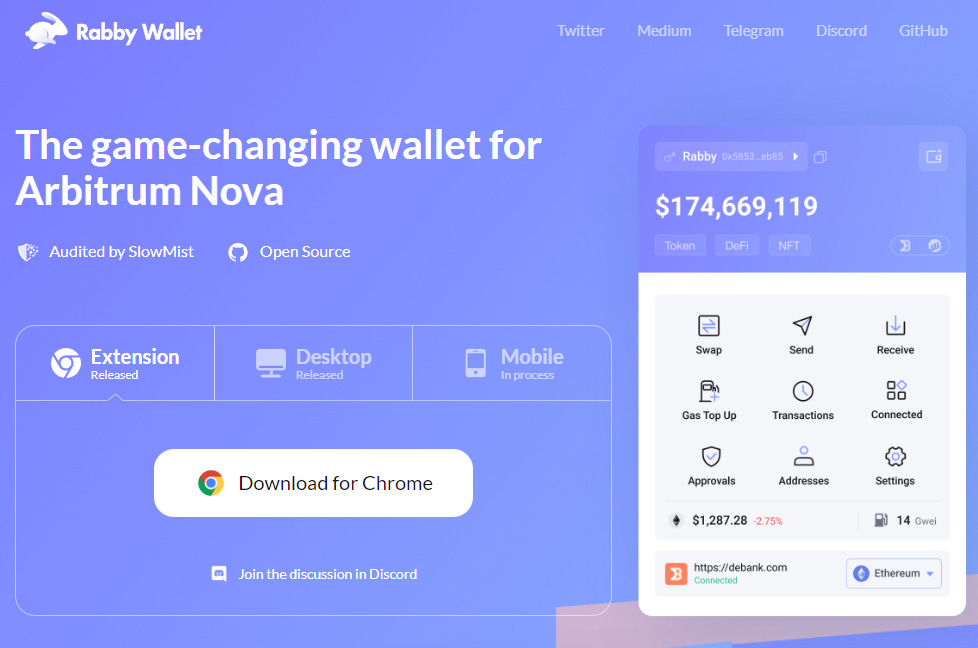
Hands-on recommendation and download
If you want to test it yourself, try the rabby wallet download and follow safe onboarding practices (use a hardware signer for significant balances and double-check every token approval).
FAQ
Is a browser extension wallet safe?
Short answer: conditionally yes. Browser extensions add convenience but also increase attack surface compared with hardware-only flows. Use hardware signers, maintain OS hygiene, and limit permissions to reduce risk.
Can I use Rabby with hardware wallets?
Yes. Rabby supports Ledger integration and other hardware signers commonly used in the ecosystem. Pairing is straightforward and recommended for high-value accounts.
Does it support multiple chains and L2s?
Yes. It supports many EVM-compatible chains and Layer 2 networks, with explicit network switching and per-chain asset views to reduce cross-chain confusion.
What about phishing and malicious dApps?
Rabby includes warnings and granular permission controls, but you should still verify URLs, avoid suspicious dApps, and consider additional anti-phishing measures in your browser.